The hidden cost of public park anxiety
We often hear from clients who love the idea of taking their dog to the local green space but leave feeling drained rather than relaxed. The issue rarely lies with the dog’s desire to play; it stems from the unpredictability of shared environments. In a bustling public park, your attention is constantly split. You are watching for cyclists, monitoring children, scanning for other dogs, and keeping a close eye on your own pet’s triggers.
This state of hyper-vigilance raises cortisol levels in both you and your dog. Even if your dog behaves perfectly, the ambient chaos creates background noise that prevents true decompression. For reactive dogs, this means they remain in a heightened state of alertness, unable to settle or enjoy genuine physical exertion. Over time, this accumulated stress can exacerbate behavioural issues, making walks increasingly difficult.
Controlled exposure versus chaotic avoidance
Avoiding public spaces altogether might seem like the safest option, but it comes with its own drawbacks. Lack of varied stimuli can lead to boredom, while restricted socialisation opportunities may hinder development. However, there is a middle ground that offers the best of both worlds: private, fenced fields where you control the variables.
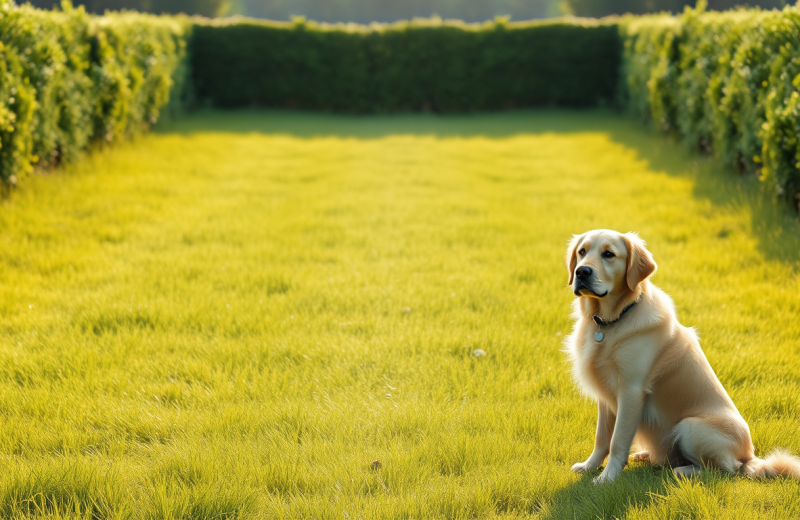
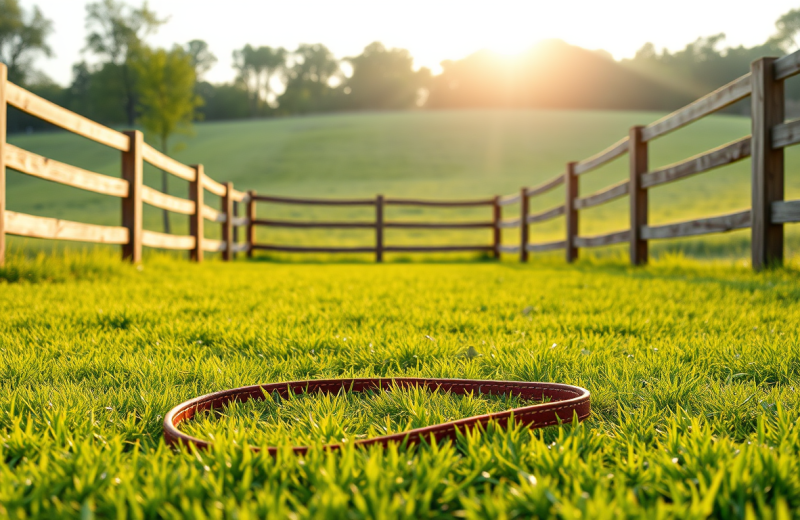
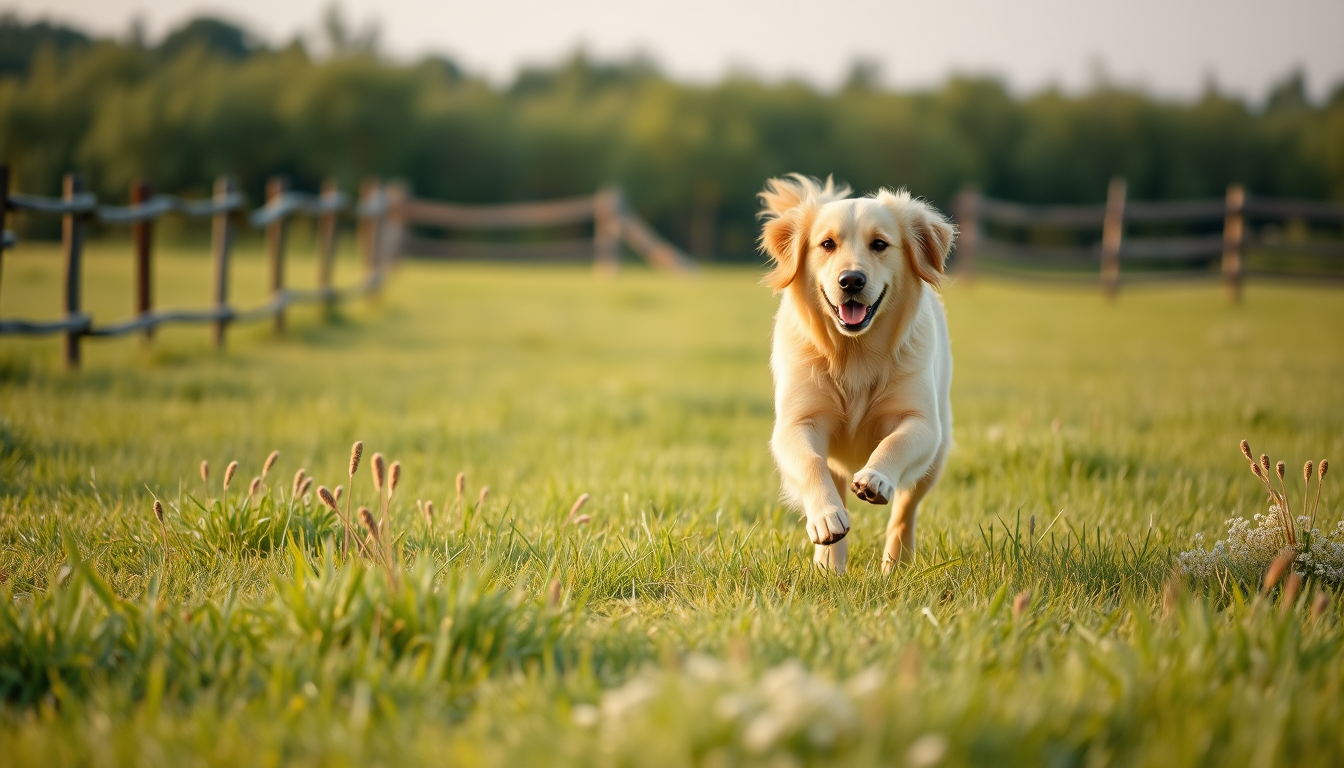
Hounds & Bounds was founded on the principle that every dog deserves a safe place to be a dog. With eight fully-fenced sites across Berkshire and Hampshire, we provide an environment where external threats are removed. There are no sudden approaches from unfamiliar dogs, no loud noises from distant construction, and no risk of escape onto roads. This security allows your dog to lower their guard, enabling deeper relaxation and more effective muscle engagement during runs.
Building confidence through predictable routines
Reactive and nervous dogs thrive on predictability. When they know the boundaries are solid and the environment is consistent, they begin to associate outdoor time with positive experiences rather than potential conflicts. Regular visits to a private field allow you to establish a routine that supports gradual desensitization.
You can introduce new commands or enrichment activities without the pressure of immediate interruptions. For instance, practicing recall becomes less stressful when you know the consequences of failure are minimal because the area is enclosed. This repetition builds neural pathways associated with listening to you, even amidst mild distractions. Unlike public parks, where success is sporadic and fraught with risk, private fields offer a reliable canvas for reinforcing good habits.
Mental stimulation without sensory overload
Physical exercise is crucial, but mental fatigue is equally important for tiring out high-energy or anxious dogs. In a public setting, too much information competes for your dog’s attention, leading to overwhelm. In a private field, you can curate the experience. Set up scent trails, hide treats under leaves, or simply allow extended periods of free sniffing.
Scent work is particularly grounding for reactive dogs, as it engages their brain in a calming, instinctual activity. Without the intrusion of other dogs’ scents or sounds, your pet can focus entirely on the puzzle at hand. This type of targeted enrichment promotes emotional regulation, leaving your dog physically tired and mentally satisfied, ready for a peaceful evening at home.
What to do next
If you find yourself dreading park visits or noticing signs of chronic stress during walks, consider switching to a private solution. Explore our available fields in Berkshire and Hampshire to find a location convenient for you. We recommend starting with a single session to gauge your dog’s comfort level, then moving to a recurring booking to establish a beneficial routine. Visit our Booking page to reserve your exclusive hour of peace.