The power of the nose in canine decompression
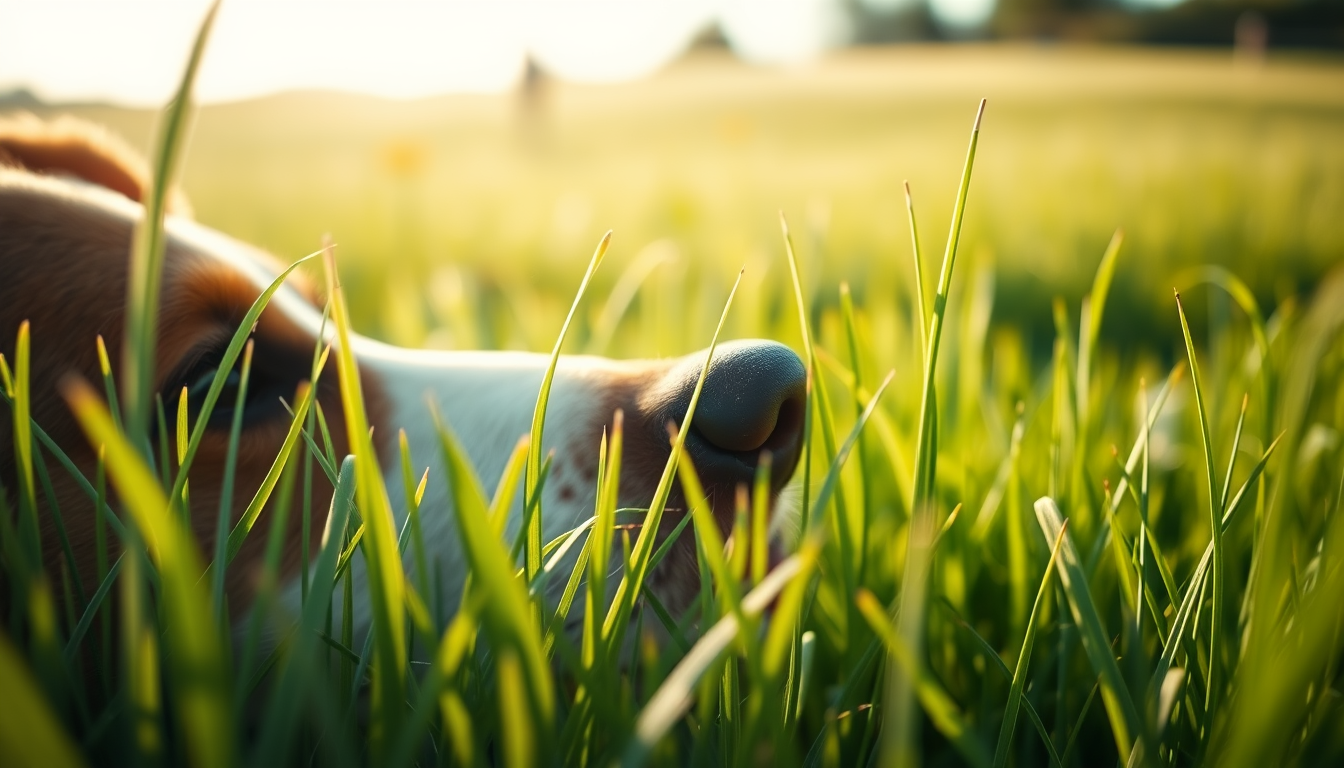
If you've ever come home from a walk feeling more stressed than your dog, you aren't alone. For many owners, especially those managing reactive or high-energy breeds, a standard walk can often feel like a series of near-misses with cyclists, other dogs, or loud noises. This constant state of vigilance keeps a dog's cortisol levels high and their brain stuck in 'alert mode'. Scent work offers a way to flip that switch. By shifting your dog's focus from visual scanning to olfactory processing, you aren't just playing a game; you're helping them regulate their nervous system through purposeful mental engagement.
In a controlled environment like one of our private dog fields, you have the luxury of time and space to let this happen. You don't have to worry about someone walking past your gate mid-search, which allows your dog to actually settle into the task. When a dog uses their nose, they engage in a deeply instinctual behaviour that is naturally calming. It’s a different kind of tired than the frantic sprinting after a ball; it's a quiet, focused fatigue that leaves them relaxed rather than wired.
Setting up your first scent session
You don't need expensive kits or professional training to start using scent work during your sessions. You can begin with things you already have at home. The goal is to create a 'search pattern' within the field that encourages movement and curiosity without causing over-arousal.
A simple way to start is by using high-value treats. Instead of feeding them from your hand, try hiding small amounts of smelly treats around the perimeter of the field or tucked into long grass. If you have a particularly distracted dog, don't scatter them everywhere at once. Start in one specific area and build up. You might hide three or four pieces of kibble near a fence post, then move slightly further away for the next session. This builds their confidence in finding 'the prize' without making it so difficult that they become frustrated.
For those with working breeds who need more structure, you can try using specific scents like birch or aniseed oils on cotton swabs. Hide these swabs in different spots—under a bush, near a tree trunk, or even partially buried in the grass. When your dog finds the scent, reward them heavily. This teaches them that 'searching' is a job with a clear beginning and end.
Managing arousal levels during play
One common mistake is pushing too hard, too fast. If you notice your dog becoming hyper-focused to the point of frantic sniffing or barking, they might be crossing the line from engagement into over-arousal. This is where the privacy of a secure field becomes vital. In a public park, this spike in energy would likely lead to a confrontation with another passerby, but here, you can manage it safely.
If your dog starts getting too 'revved up', pause the game. Let them sniff the ground aimlessly for a minute or two to reset. You want to find that sweet spot where they are working hard but remain calm enough to take a treat from your hand easily. If they can't settle long enough to eat, the task is currently too stimulating. Scale it back by making the scents easier to find or reducing the distance between them.
Try varying the intensity of the search. You might spend ten minutes on high-intensity scent hunting, followed by five minutes of slow, rhythmic sniffing in a single patch of grass. This ebb and flow helps teach your dog how to transition between different states of mental energy, which is an invaluable skill for real-world walks.
Integrating scent work into a long-term routine
Scent work isn't just a one-off activity; it's most effective when it becomes part of a regular routine. For owners who find that their dogs struggle with reactivity, incorporating ten to fifteen minutes of scent games into every field visit can make a massive difference in their overall temperament. It gives them something productive to do with their brain during the time they are out of the house.
If you're looking for variety, consider using different locations. Our fields across Berkshire and Hampshire offer different textures, smells, and layouts. A dog that has mastered scent work in a grassy field might find new challenges in an area with more varied terrain or different vegetation. This mental variety prevents boredom and keeps the engagement levels high.
For those who need consistency to manage their dog's behaviour, we highly recommend looking into our recurring booking options. Having a set time each week for scent work and exercise helps create a predictable rhythm for both you and your dog, reducing the anxiety that often comes with unpredictable schedules.
What to do next
Ready to try some scent games? The first step is finding a space where you won't be interrupted. You can check availability in Berkshire or Hampshire via our booking engine to find a field that suits your schedule. Whether you want to book a single session to test the waters or set up a weekly slot to build a consistent training routine, we have the secure space you need to help your dog thrive.